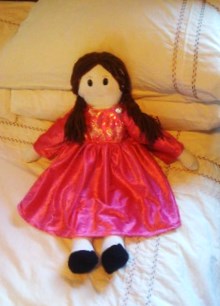
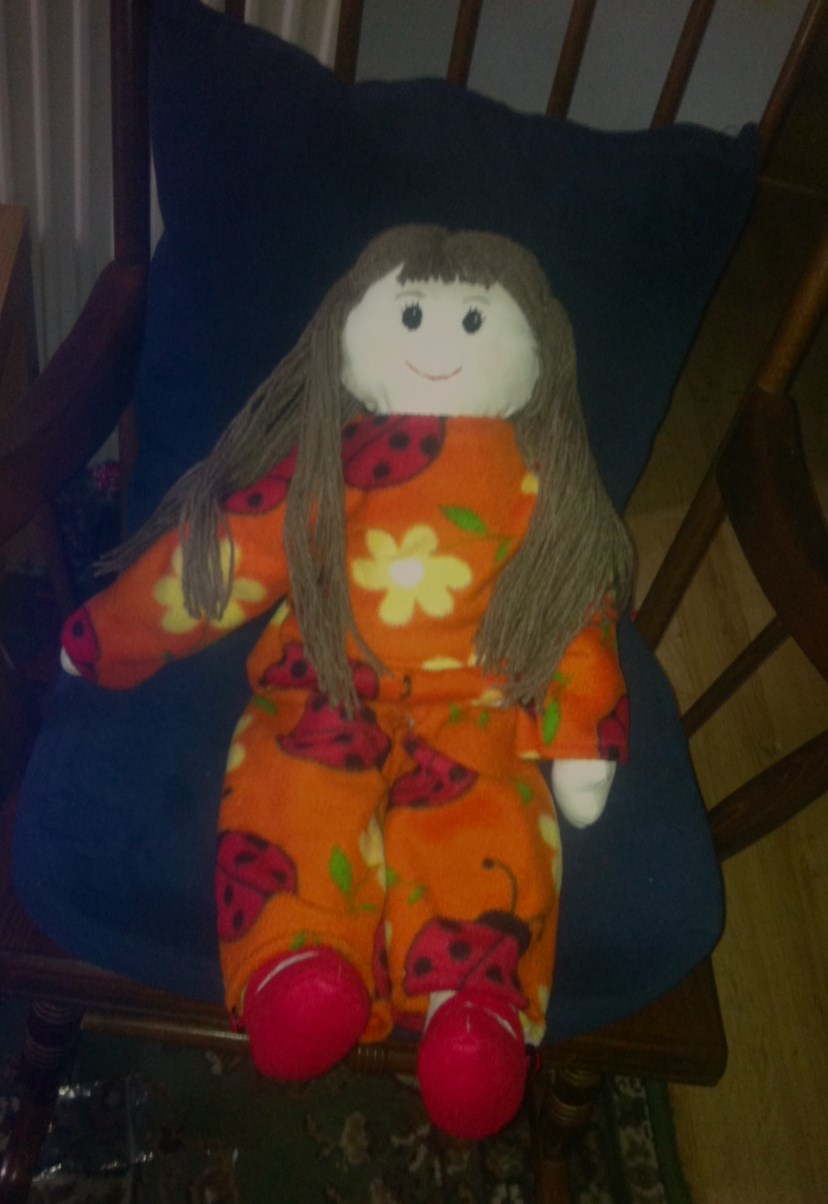
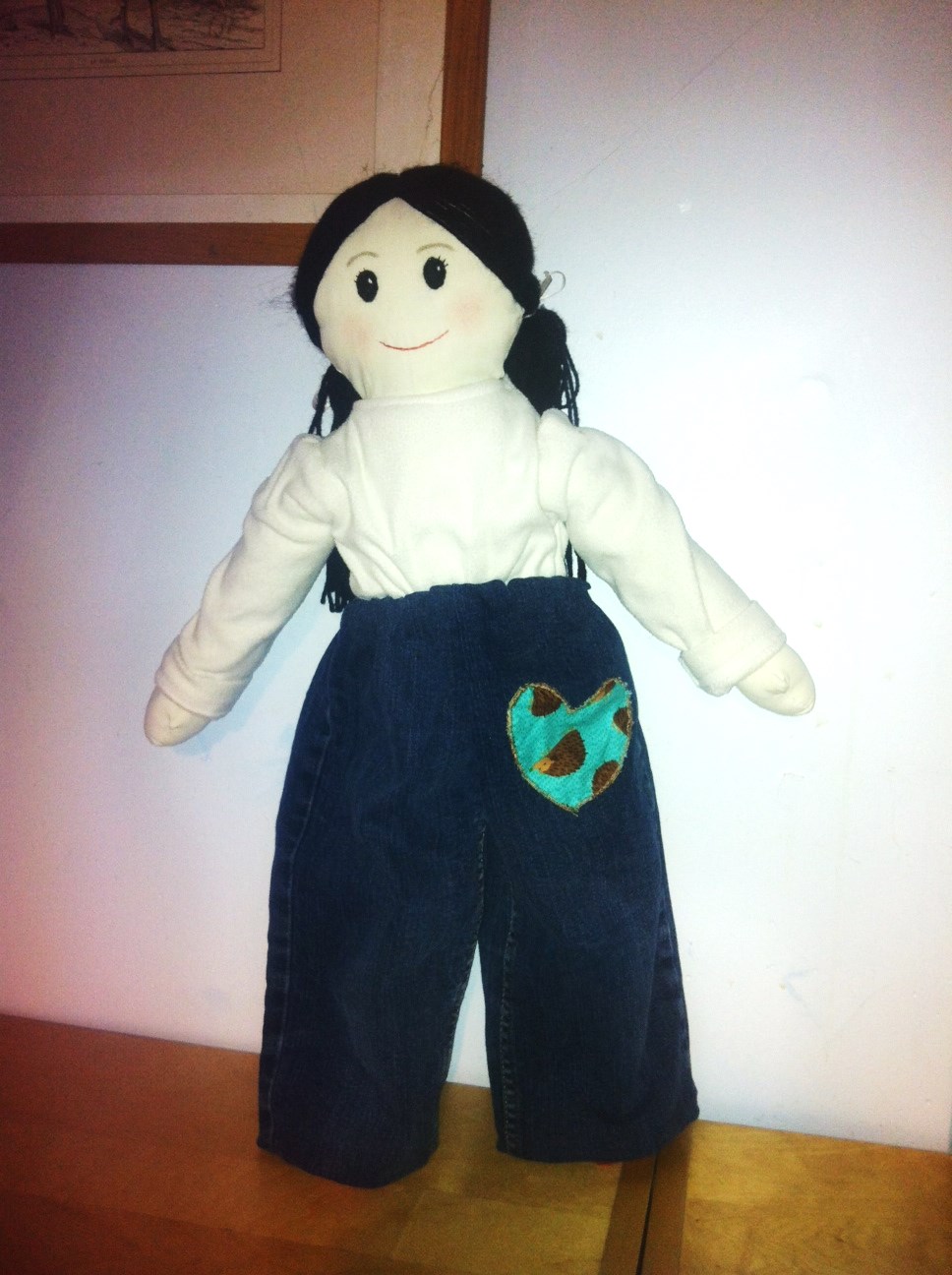
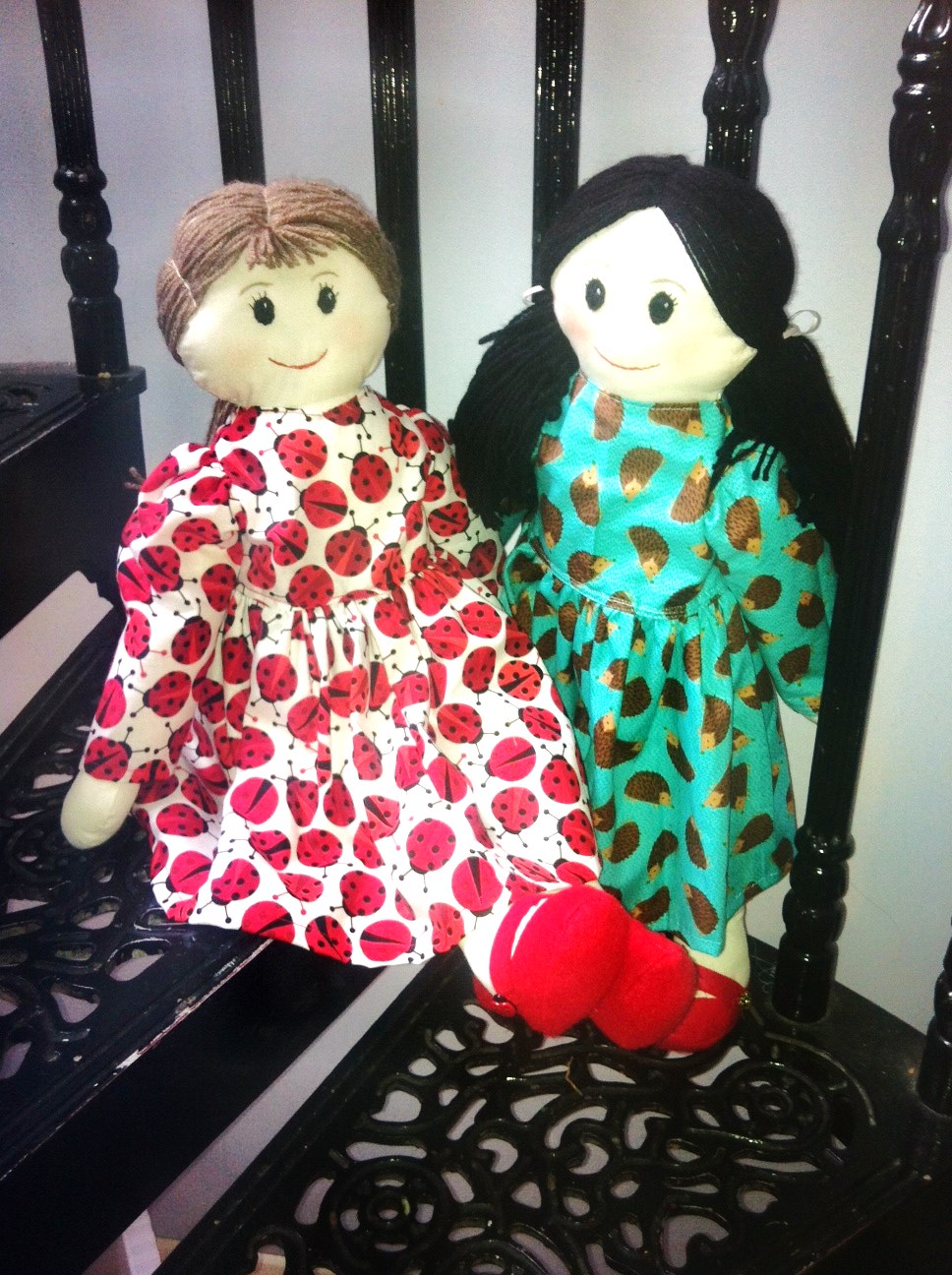
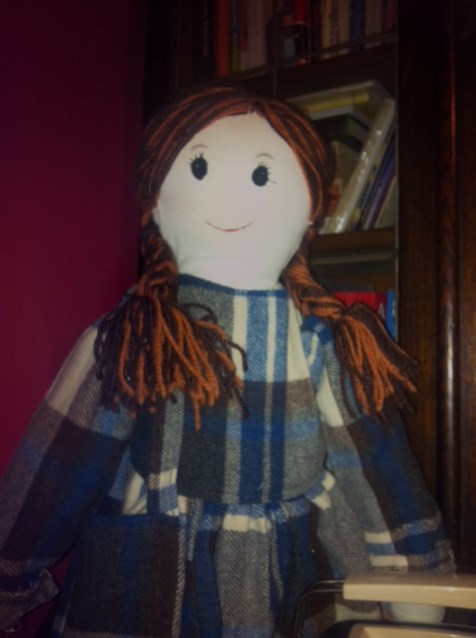
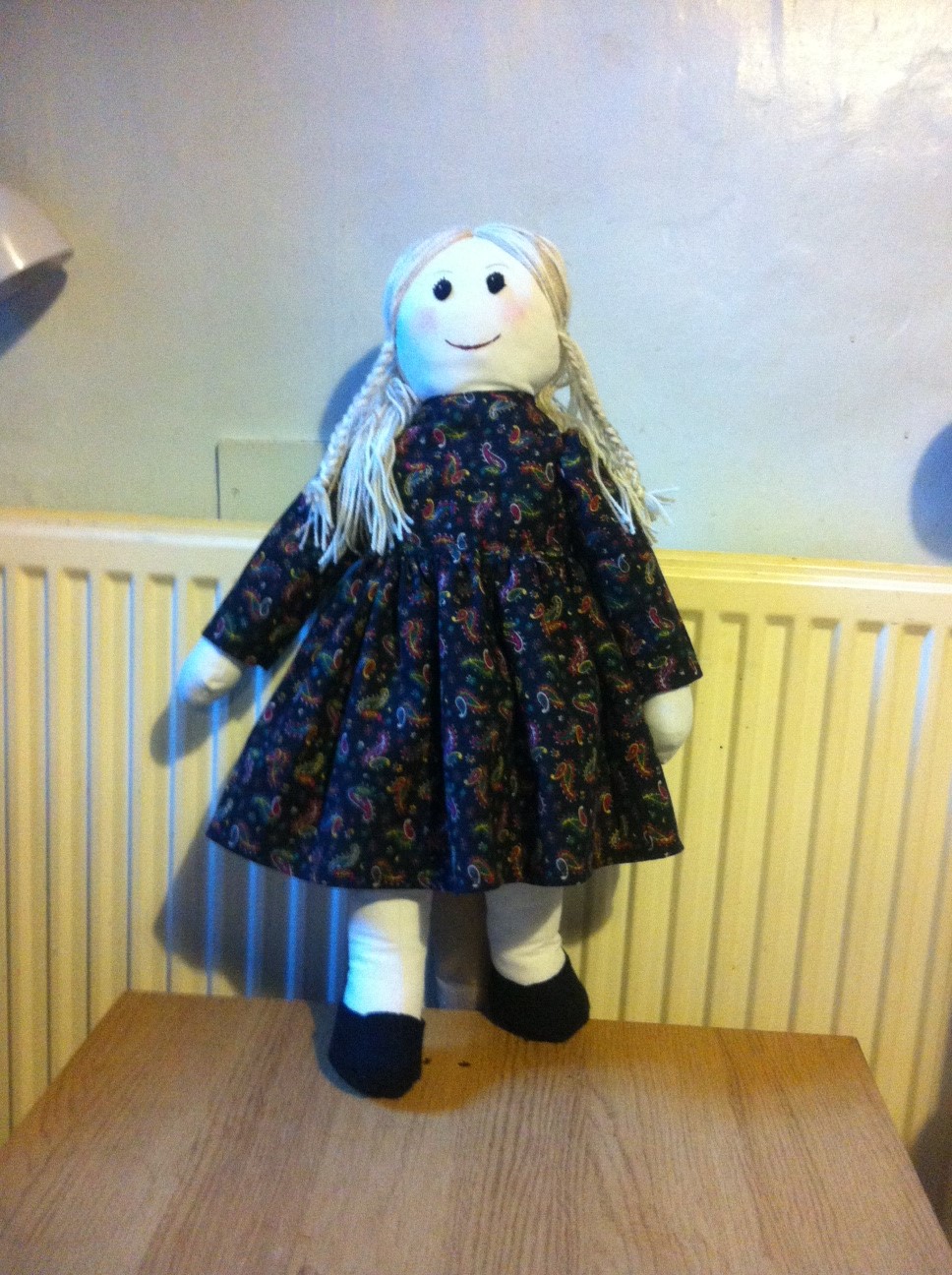
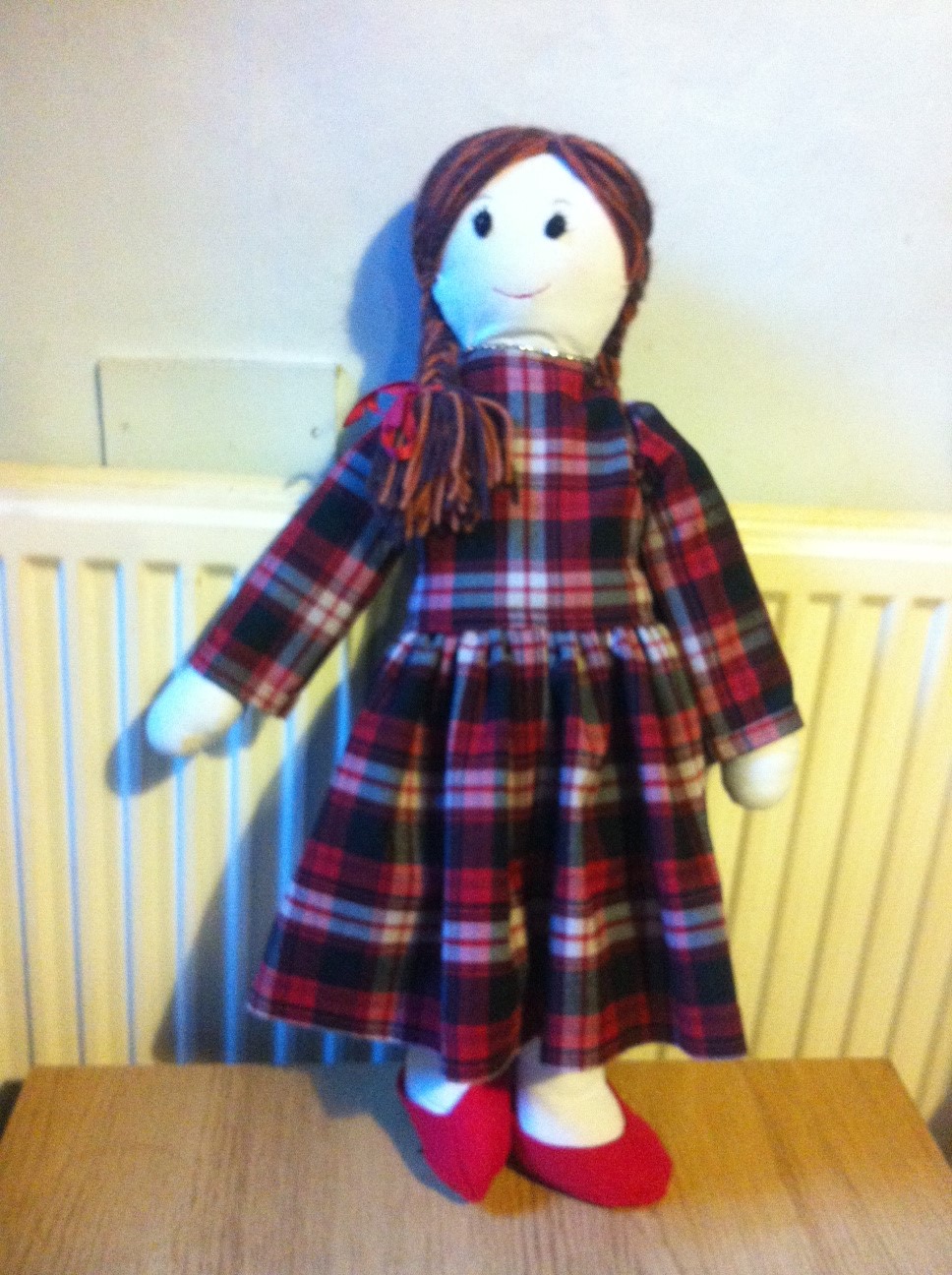
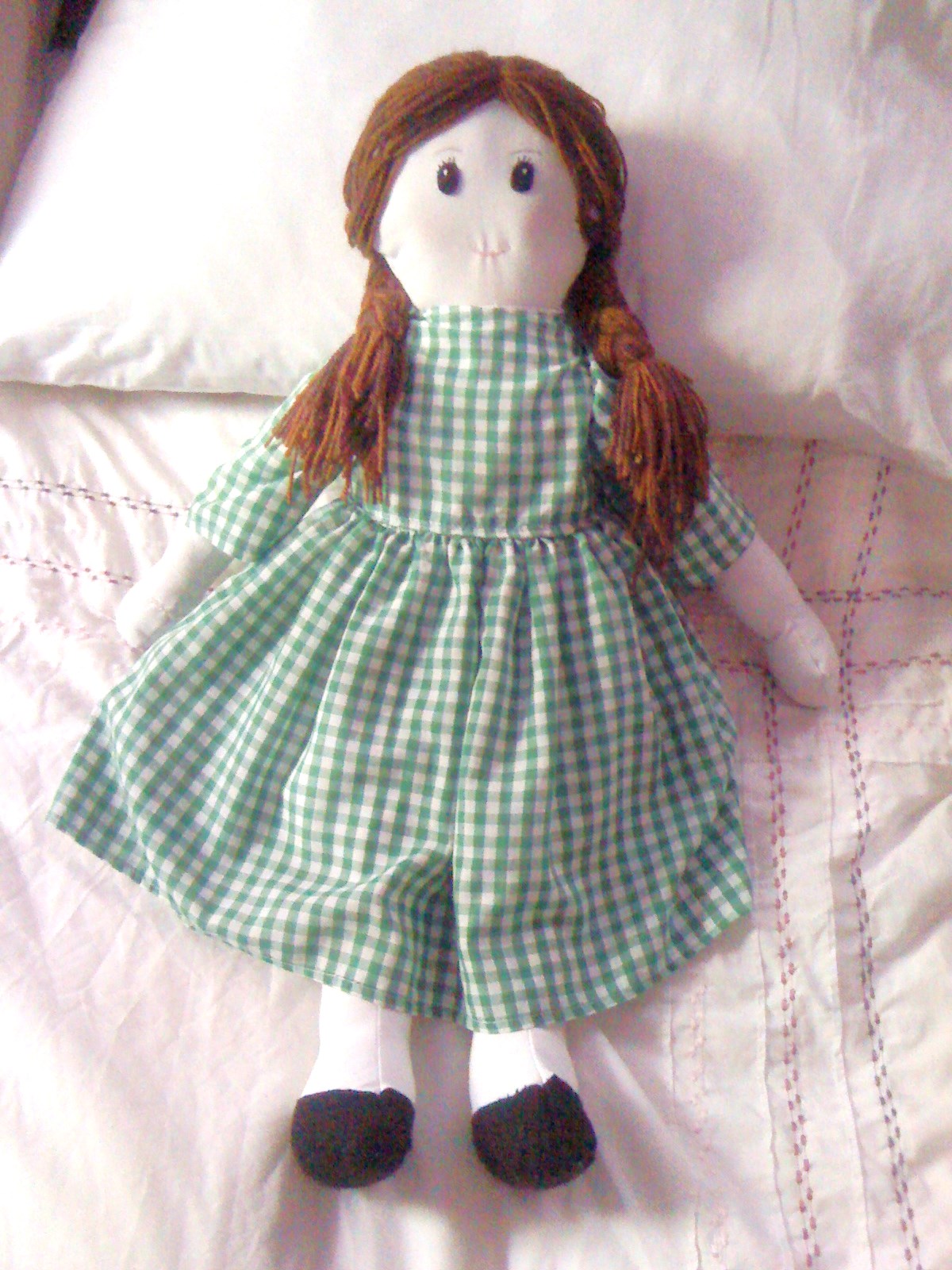
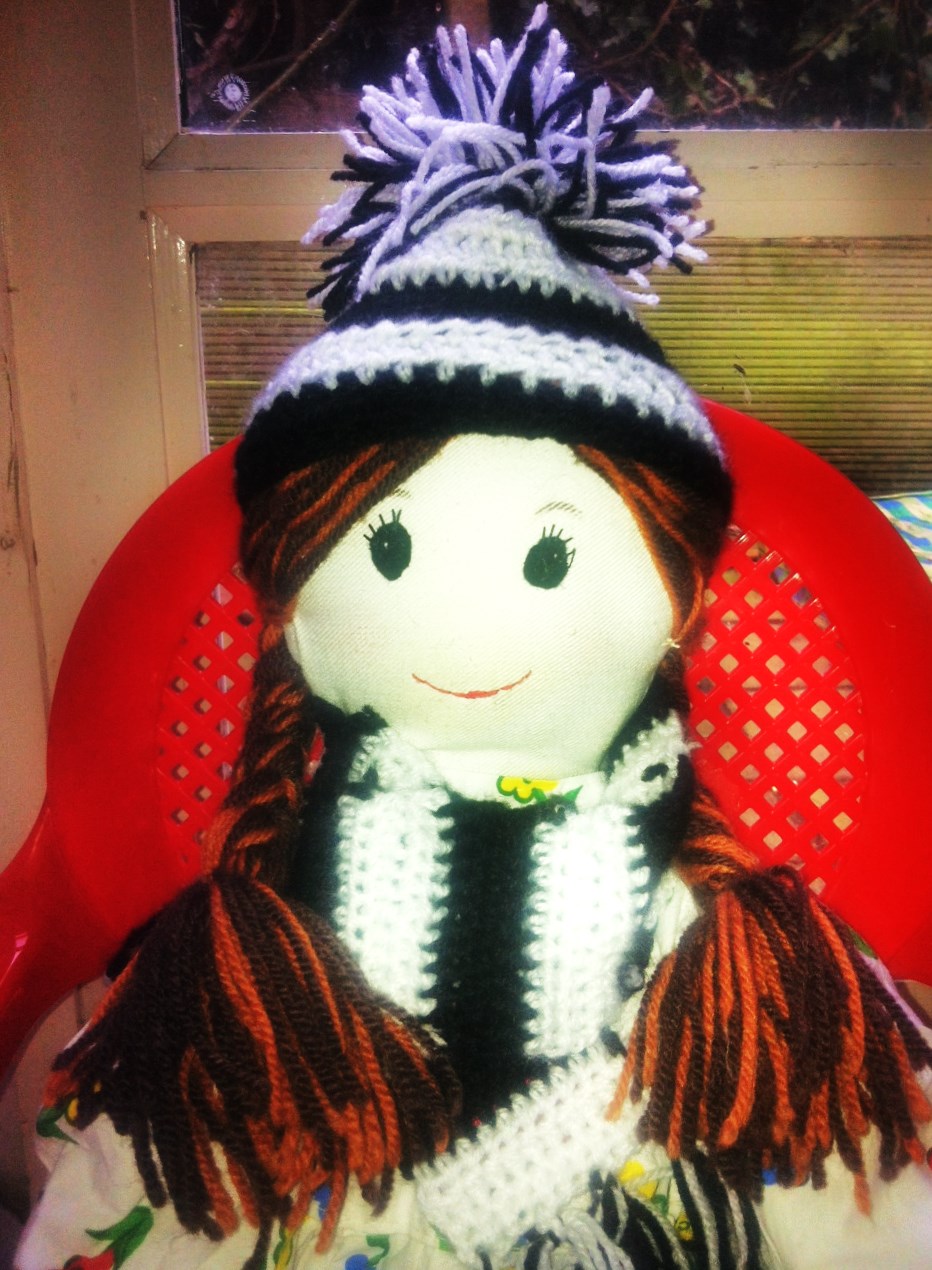
At Second Chance Rose, we are all for power to the people - and that means the ordinary, unsung, everyday folk that have kept the country running from time immemorial. The coopers, barbers, labourers and stonemasons; the shipbuilders, miners, soldiers and shoemakers; the washerwomen, confectioners, shirt ironers and dressmakers. And of course the thousands who made the world brighter with traditional arts and crafts - particularly women. Cribbins and King is inspired by and bears the name of two such ladies.
Bridget Cribbins emigrated from Ireland - believed to be Kildare or Naas - with her family in the 1880s, and settled first in Jarrow then in central Newcastle. Her artistic talents were concentrated in needlework, which she sold as a hawker in Newcastle after the tragic death of her young husband Charles. These talents were passed to her youngest daughter Sarah, who became a master confectioner, her grandson Ronnie, who when he wasn't running a division of the RAF fire brigade was drawing, sketching and painting - and now they are celebrated by me, her great-granddaughter, in 3D. And who knows - at least one of her great-great grandsons has inherited her eye for art (as well as the Cribbins hair which - Thankfully! - neither genetics nor GHDs can conquer).
Susannah King came from Bristol. Born in the Georgian era, in one of the leading cities of the British Empire, even as a working-class citizen, she would have been steeped in the art, architecture and culture of that time. Susannah moved to London as a young woman and while she was seeing the sights, and later raising a lively family of boys (which included twins), she never forgot the traditional arts of her childhood. Patchwork quilts, rag dolls, cushions and comforts... wherever she moved to, Susannah knew there was a place for them. Her son Horace, my great-great-grandfather, moved to the centre of the capital as a teenager and enjoyed the bright lights and crowds and noise for a while before moving north and settling into a respectable tradesman's life as a baker and specialist breadmaker. But did he crash out every night after the excitement of the West End under a bit of traditional patchwork... and did Susannah send his children - the eldest daughter, my great-grandmother, bore her name - rag dolls and baby quilts and other such items?